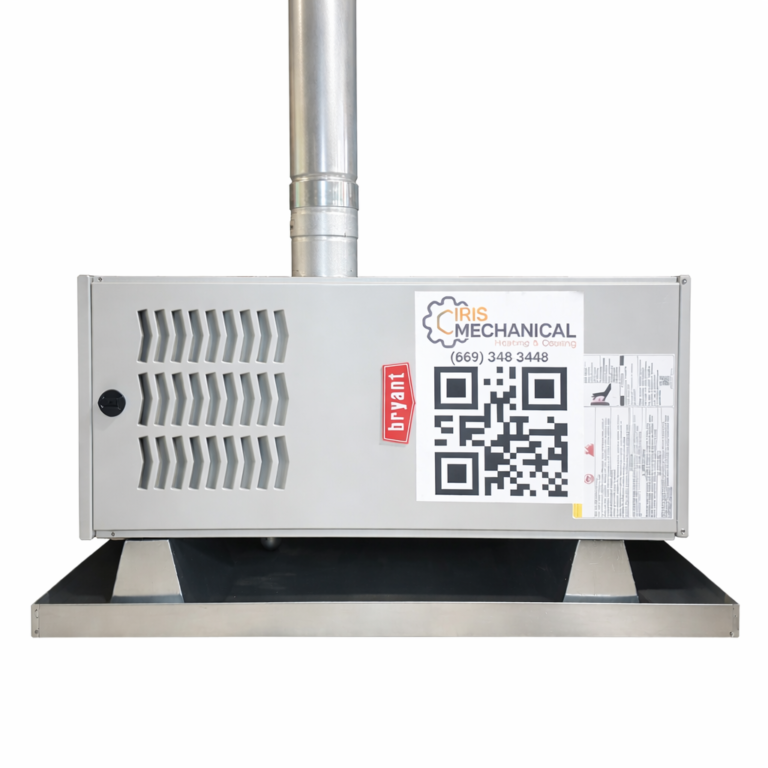

Gas Furnace Maintenance
in the Bay Area
Keep your system running efficiently, safely, and reliably through every season

Insured & Certified
Our licensed, insured, and EPA-certified technicians are trained to diagnose, design, and repair systems across major brands .
Quality Service
We arrive on time, tailor the right solution for your home and get it done right the first time.
Built to Last
We use long-trusted brand systems and authentic components tested for efficiency in the Bay Area.
Responsive Support
From your first call to final walkthrough, we’re here to guide you through each step with confidence.

5.0 rating, 60+ reviews

5.0 rating, 10+ reviews

5.0 rating, 80+ reviews
Your Gas Heating System Works Hard, Maintenance Keeps It Performing
Your gas heating system plays a critical role in keeping your home comfortable during colder months.
But over time, even well-installed systems can lose efficiency, develop airflow issues, or experience wear that impacts performance.
Regular maintenance helps ensure your system:
- Runs efficiently
- Heats your home evenly
- Operates safely
- Lasts as long as possible
Many furnace issues don’t start with major failures.
They start with small performance problems that build over time.
In many homes, the most common causes include:
- Restricted airflow from dirty filters
- Dust buildup inside the system
- Worn components from normal use
- Imbalanced airflow through ductwork
Left unaddressed, these can lead to:
- Higher energy bills
- Uneven heating
- Increased system strain
- Unexpected breakdowns
Maintenance helps catch and correct these early.
Why Gas Heating Maintenance Matters
In many cases, issues with a gas heating system are not caused by the furnace itself, but by airflow.
Your system relies on consistent airflow to heat your home properly. When airflow is restricted or unbalanced, your system has to work harder to deliver the same comfort.
This can result in:
- Hot and cold spots throughout the home
- Reduced efficiency
- Increased wear on system components
Our maintenance approach focuses on making sure your system is not just running, but performing the way it was designed to.
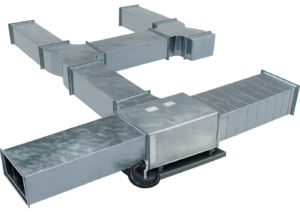
Airflow Is One of the Biggest Factors in Furnace Performance
Safety Is a Key Part of Furnace Maintenance
Gas furnaces, as part of your overall gas heating system, rely on proper combustion and ventilation to operate safely.
During maintenance, we evaluate critical components that are not always visible to homeowners, including:
- Burner performance
- Heat exchanger condition
- Gas connections
- Venting and exhaust systems
These checks help ensure your system is operating safely and reliably.
A professional maintenance visit is more than a quick inspection.
We take the time to evaluate how your entire gas heating system is operating as a whole.
Typical maintenance includes:
- Inspecting and cleaning key components
- Checking airflow and system performance
- Testing thermostat operation
- Inspecting electrical connections
- Evaluating system safety controls
- Identifying early signs of wear or inefficiency
Our goal is to ensure your system is operating efficiently and reliably, not just turning on and off.
What Furnace Maintenance Actually Includes
There are a few simple things homeowners can do to help maintain their system between visits.
Homeowner tasks:
- Replace air filters regularly (typically every 1–3 months)
- Keep vents and returns clear
- Pay attention to changes in airflow, noise, or performance
Professional maintenance includes:
- Internal system inspection
- Gas and combustion checks
- Electrical testing
- Performance evaluation
This combination helps keep your system in the best condition over time.
What You Can Do vs What We Handle
For most homes, furnace maintenance is recommended once per year.
The best time is typically:
Before the colder season begins, when your system will be used the most
Regular maintenance helps reduce the risk of unexpected issues when you need your system most.
When to Schedule Furnace Maintenance
How Maintenance Impacts System Lifespan
Most furnaces last between 12–20 years, depending on usage and upkeep.
With consistent maintenance, systems often:
- Last longer
- Perform more efficiently
- Require fewer major repairs over time
Maintenance is one of the simplest ways to protect your investment.
While maintenance helps prevent issues, there are times when your system may already be showing signs of wear.
Common signs include:
- Uneven heating
- Increased energy bills
- Unusual noises
- Frequent cycling
- Reduced airflow
If you’re noticing any of these, it may be worth taking a closer look.
Learn more about furnace repair and common issues
Signs Your Gas Heating System May Need Attention
What to Expect After You Reach Out
When you schedule maintenance, here’s what happens next:
- We schedule a time that works for you
- We evaluate your system and overall performance
- We explain what we find in clear, straightforward terms
You receive practical recommendations based on your system’s condition
Homeowners choose Iris Mechanical because we focus on more than just servicing equipment.
We focus on how your system performs in your home.
We design our maintenance approach around:
- System performance and airflow
- Long-term efficiency
- Safety and reliability
Clear, no-pressure communication
Why Homeowners Choose Iris Mechanical
Keep Your Furnace Running at Its Best
If your system hasn’t been checked recently, or you want to ensure everything is operating the way it should, we’re here to help.
Request a call back below to schedule your furnace maintenance and get a clear, no-pressure evaluation of your system
Request a callback
FREQUENTLY ASKED QUESTIONS
How often should a furnace be serviced?
Most furnaces should be serviced once per year, ideally before the colder season begins.
What happens if I skip furnace maintenance?
Skipping maintenance can lead to reduced efficiency, higher energy costs, and increased risk of system issues over time.
How long does furnace maintenance take?
Most maintenance visits take about 60–90 minutes, depending on the system and condition.
Is furnace maintenance really necessary if my system is working?
Yes. Many issues develop gradually and may not be noticeable right away. Maintenance helps identify and address these early.