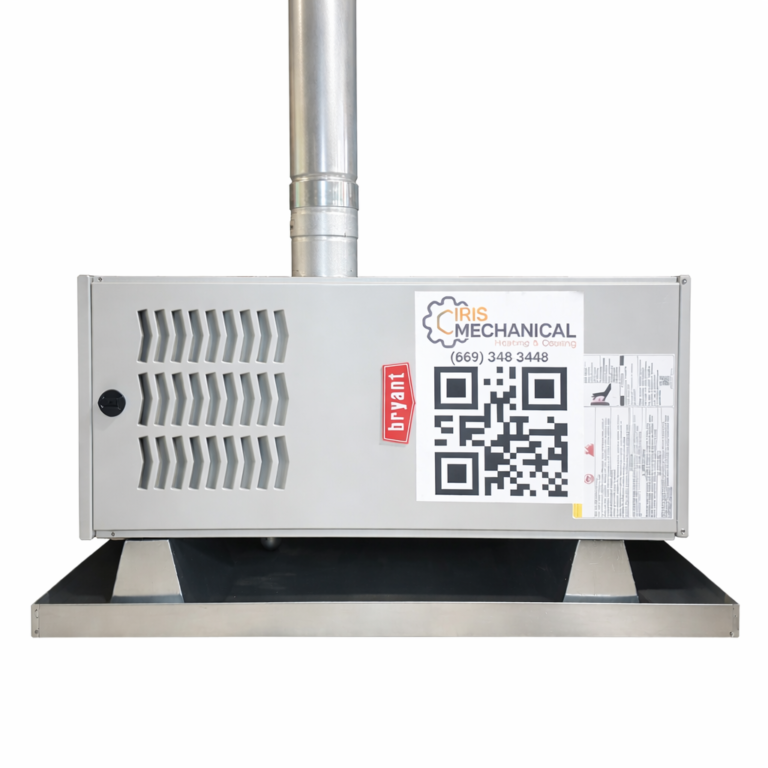

Gas Furnace Repair
in the Bay Area
Reliable, safe, and professional repair for gas heating systems that aren’t performing as they should.
We help identify what’s going on and guide you toward the right solution, whether that’s a repair or a longer-term recommendation.

Insured & Certified
Our licensed, insured, and EPA-certified technicians are trained to diagnose, design, and repair systems across major brands .
Quality Service
We arrive on time, tailor the right solution for your home and get it done right the first time.
Built to Last
We use long-trusted brand systems and authentic components tested for efficiency in the Bay Area.
Responsive Support
From your first call to final walkthrough, we’re here to guide you through each step with confidence.



Furnace issues often start small and become more noticeable over time.
Common signs include:
- Little or no heat from your system
- Weak or uneven airflow throughout the home
- Unusual noises (banging, rattling, squealing, or grinding)
- System turning on and off frequently (short cycling)
- Unusual or persistent smells
- Rising energy bills without increased usage
These symptoms can point to issues with airflow, system components, or overall performance.
Signs Your Gas Heating System May Need Repair
Not all gas heating system issues have the same cause.
For example:
- Weak airflow → may relate to clogged filters, blower performance, or duct issues
- No heat → could involve ignition systems, gas supply, or internal components
- Short cycling → may be tied to thermostat issues, overheating, or system imbalance
- Strange noises → often indicate loose parts or mechanical wear
- Rising energy bills → may signal reduced efficiency or system strain
In many cases, the issue isn’t just the furnace itself — it’s how heat is being distributed throughout the home.
What These Signs Might Mean
Some furnace problems are relatively simple:
- Dirty or clogged air filters
- Thermostat settings or calibration
- Blocked vents or airflow restrictions
Others require professional repair:
- Ignition or burner issues
- Electrical component failure
- Blower motor or internal mechanical issues
- Gas flow or safety-related concerns
In many cases, a proper evaluation is needed to determine the root cause.
Simple Heating Fix or System Issue?
Safety Considerations with Gas Furnaces
Gas furnaces involve combustion, which makes safety an important factor.
Certain signs should be taken seriously:
- Smell of gas (rotten egg odor)
- Persistent burning or chemical smells
- Yellow or flickering flame instead of steady blue
- Soot, rust, or unusual buildup around the unit
Some issues may involve safety-related components, which is why it’s important to have the system properly evaluated.
If you suspect a gas or safety issue, leave the area and have the system checked.
One of the most common drivers behind furnace issues is airflow.
In many homes:
- Airflow may be restricted by filters or duct conditions
- Heat may not distribute evenly throughout the home
- The system may run longer or cycle more frequently
When airflow is not working properly, even a functioning furnace may not heat your home effectively.
Airflow and System Performance
Small issues can lead to:
- Reduced heating performance
- Increased energy usage
- Additional wear on system components
- More complex repairs over time
Addressing problems early helps your system continue operating safely and reliably.
Why Addressing Issues Early Matters
In some situations, repair is the right solution. In others, replacement may be worth considering.
General guidelines:
- Most furnaces last 12–20 years
- Repairs may become more frequent after around 15 years
- Rising repair costs or declining performance may indicate it’s time to evaluate replacement
We help you understand your options so you can make the best decision for your home.
Repair or Replacement: How to Decide
Our Approach to Gas Furnace Repair
We focus on understanding the full system, not just the immediate symptom.
Our process includes:
- System evaluation
We assess performance, airflow, and key components - Diagnosis
We identify the root cause of the issue - Clear recommendations
We explain your options in straightforward terms - Repair (if appropriate)
We complete the repair with attention to safety and long-term performance
Our goal is not just to fix the issue, but to help your system operate reliably.
If you’re experiencing issues with your furnace:
- We schedule a time that works for you
- We evaluate your system and home
- We explain what’s happening and your options
You receive a clear, no-pressure recommendation
What to Expect After You Reach Out
Get Clear Answers About Your Heating System
Request a call back below to schedule your evaluation and get a clear understanding of what’s going on with your system.
Request a callback
FREQUENTLY ASKED QUESTIONS
How do I know if my gas furnace needs repair?
Common signs include little or no heat, weak airflow, unusual noises, short cycling, or rising energy bills. If your system isn’t heating consistently, it’s a good idea to have it evaluated.
Is it safe to run a gas furnace that isn’t working properly?
Not always. Issues involving gas flow, combustion, or unusual smells may indicate a safety concern. If you notice a gas odor or unusual behavior, it’s best to stop using the system and have it checked.
What causes a gas furnace to stop working?
Furnace issues can be caused by airflow restrictions, ignition problems, thermostat issues, or worn components. In many cases, the root cause isn’t immediately visible and requires a full system evaluation.
Can I fix my furnace myself?
Homeowners can check filters, thermostat settings, and airflow around vents. However, most furnace repairs involve electrical or gas components and should be handled by a trained technician.
How much does gas furnace repair cost?
Repair costs vary depending on the issue, system condition, and parts involved. A proper diagnosis is needed to determine the exact cost and whether repair or replacement makes more sense.