

Heat Pump vs Furnace
for Bay Area Homes:
Which System Is Best?
FAQ: Are heat pumps or furnaces better for Bay Area homes?
Both systems can heat a home effectively, but heat pumps are becoming increasingly popular in the Bay Area because they provide both heating and cooling in a single system while using significantly less energy than traditional gas furnaces. In mild coastal climates like Santa Clara County and the Peninsula, heat pumps can often meet heating needs efficiently throughout the year.
Introduction
When an aging furnace reaches the end of its lifespan, many Bay Area homeowners face an important decision: install another gas furnace or upgrade to a modern heat pump instead.
Both systems are widely used, but they operate very differently and can affect energy costs, comfort levels, and long-term home efficiency.
The Bay Area’s relatively mild winters make it one of the regions where heat pumps perform particularly well. At the same time, many homes still rely on gas furnaces that have been installed for decades.
Understanding the differences between these systems can help homeowners decide which option best fits their home, comfort preferences, and long-term energy goals.
This guide explains:
• how heat pumps and furnaces work
• how they perform in the Bay Area climate
• energy efficiency differences
• comfort and airflow considerations
• when homeowners typically choose each system
How Heat Pumps and Furnaces Work
Although both systems heat a home, they operate using completely different technology.
Feature | Heat Pump | Gas Furnace |
Heating method | Transfers heat from outdoor air | Burns natural gas to generate heat |
Provides cooling | Yes | No |
Energy efficiency | Very high | Moderate |
Typical use in Bay Area | Heating + cooling | Heating only |
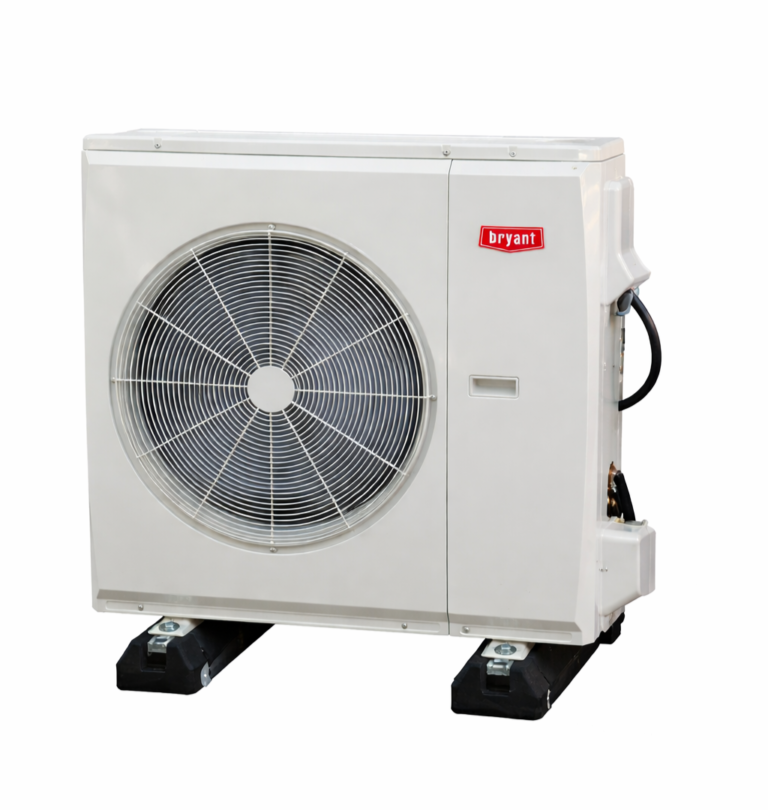
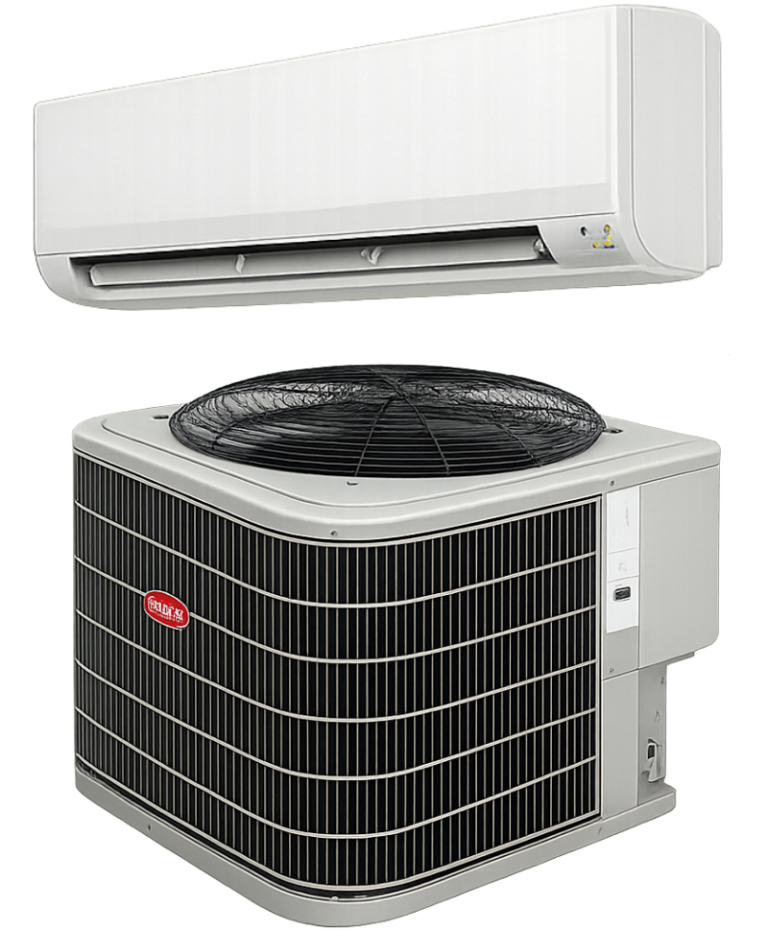
Heat pumps move heat rather than generating it through combustion. During the winter, the system extracts heat from outdoor air and transfers it inside the home.
Because they transfer heat instead of creating it, heat pumps can operate at much higher efficiency levels than many traditional heating systems. Heat pumps also reverse their operation during summer to provide air conditioning.
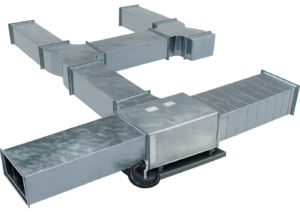
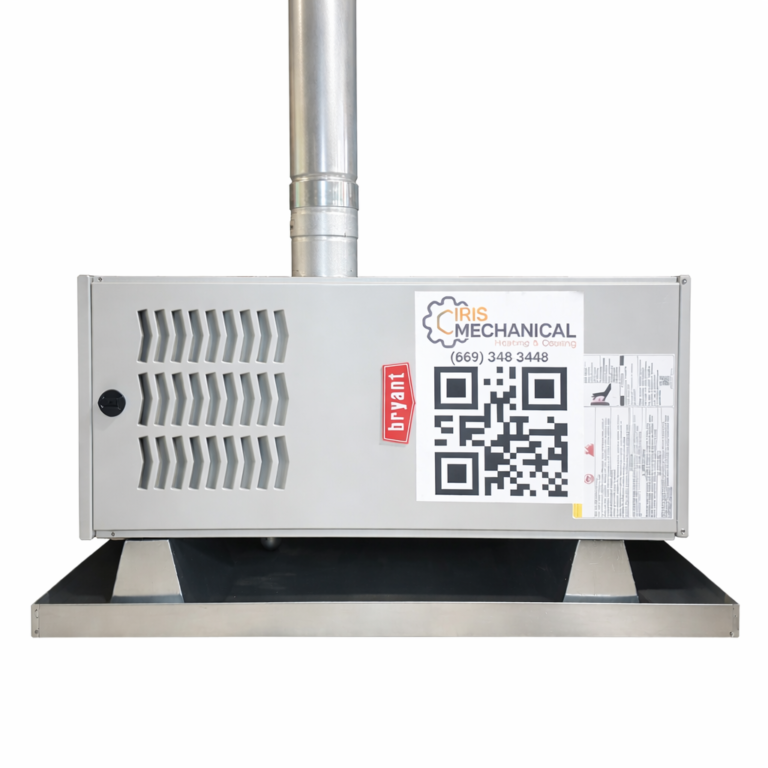
Gas furnaces generate heat by burning natural gas or propane. The system heats air in a combustion chamber and then distributes the warm air throughout the home using ductwork.
Many Bay Area homes built before the early 2000s still rely on gas furnaces for winter heating.
Heating Performance in the Bay Area Climate
One of the most important factors when choosing a heating system is how it performs in the local climate.
The Bay Area has relatively mild winters compared with colder parts of the United States. Typical winter temperatures often range between 40°F and 60°F, which falls well within the operating range where heat pumps perform efficiently.
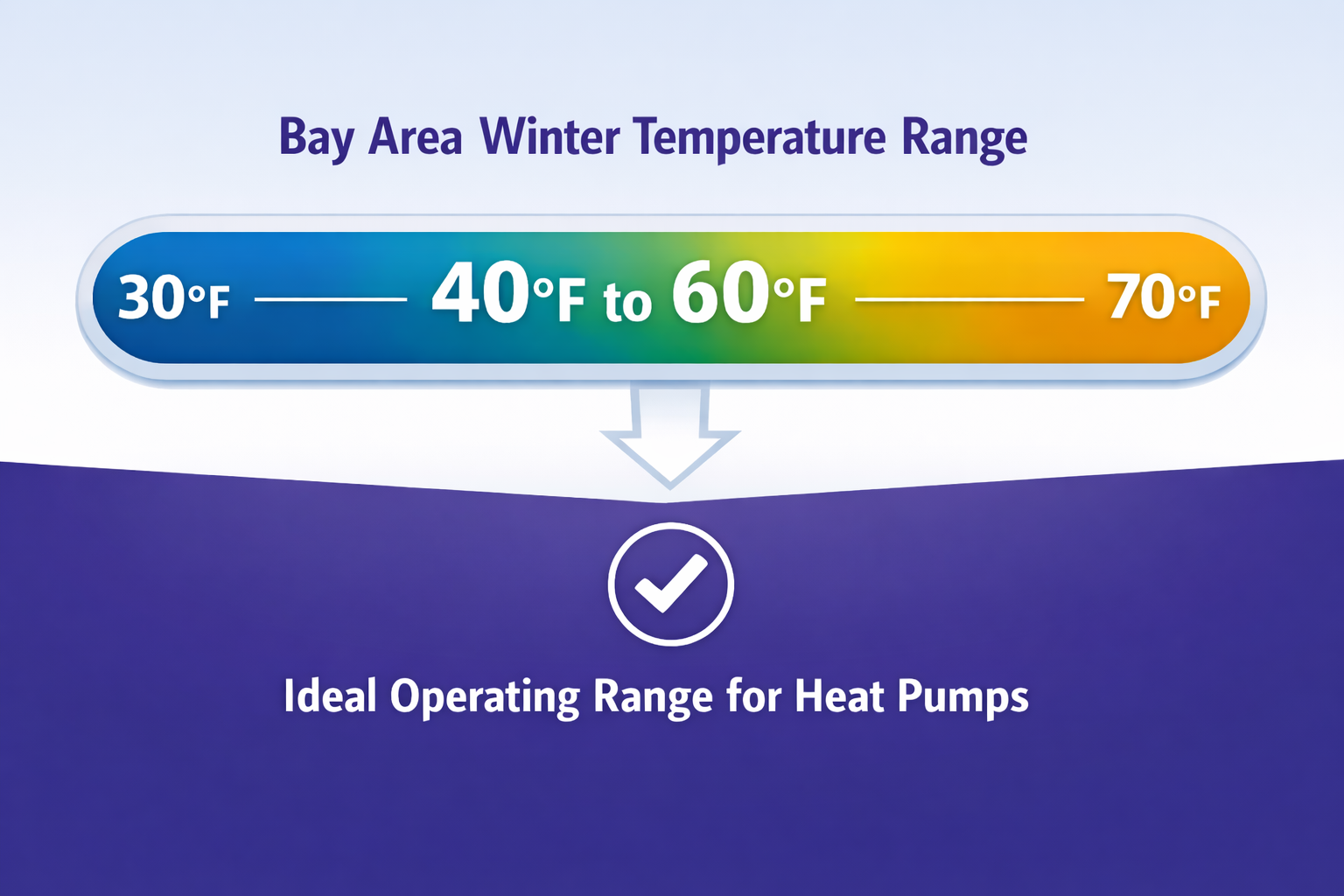
Because of these moderate temperatures, many homes in areas such as Cupertino, Sunnyvale, and Palo Alto can rely on heat pumps as their primary heating system without needing supplemental heating.
Homes located further inland in areas such as San Jose or Morgan Hill may experience colder winter nights than coastal communities, which can influence heating system choices.
Gas furnaces, however, still provide very strong heating performance and can heat homes quickly when outdoor temperatures drop.
Beyond climate performance, another key factor homeowners consider is how efficiently each system uses energy.
Energy Efficiency Comparison
Heat pumps are generally considered one of the most energy-efficient heating technologies available.
According to the U.S. Department of Energy, heat pumps can deliver two to three times more heat energy than the electricity they consume because they transfer heat instead of generating it through combustion.
Furnaces, on the other hand, create heat by burning natural gas and therefore operate at lower efficiency levels compared with modern heat pump systems.
Heating System | Typical Efficiency |
Heat Pump | 200–300% efficiency |
High-efficiency furnace | 90–98% efficiency |
For many homeowners, the efficiency difference can result in:
• lower energy consumption
• reduced heating costs
• fewer carbon emissions
Heat pumps are also becoming more common in California as incentives have helped reduce installation costs.
Programs such as TECH Clean California, along with local utility rebates, can significantly reduce the upfront cost of installing a qualifying heat pump system.
If you're interested in learning more about typical installation pricing and available incentives, see our guide:
Heat Pump Installation Cost & Rebates in the Bay Area.
Comfort and Airflow Differences
Comfort and Airflow Differences
Beyond efficiency, the type of heat produced by each system can also affect indoor comfort.
Heat pump comfort
Heat pumps typically produce a steady and consistent airflow that maintains stable indoor temperatures.
Instead of short bursts of very hot air, heat pumps provide gradual heating that can feel more even throughout the home.
Furnace comfort
Gas furnaces generate hotter air and can warm a home quickly when the system turns on.
However, some homeowners notice larger temperature swings because the system cycles between heating and off periods.
When Homeowners Choose Heat Pumps
Many Bay Area homeowners choose heat pumps when:
✓ replacing both a furnace and air conditioner
✓ upgrading to an all-electric home
✓ improving energy efficiency
✓ reducing reliance on natural gas
✓ taking advantage of California electrification incentives
Because heat pumps provide both heating and cooling, they can often replace two separate systems with one.
When a Furnace May Still Make Sense
Furnaces may remain a practical choice for some homes, particularly when:
• an existing gas heating system is still relatively new
• electrical upgrades would be required for electrification
• the home already has a high-efficiency furnace paired with air conditioning
In some situations, homeowners choose a dual-fuel system, which combines a heat pump with a furnace to balance efficiency and heating power.
Choosing the Right Heating System for Your Home
The best system depends on several factors unique to each home.
Important considerations include:
- home size and insulation levels
• existing ductwork condition
• electrical capacity
• energy efficiency goals
• long-term upgrade plans
A professional HVAC evaluation can help determine which system is most appropriate for your specific property.
Get a Heat Pump Installation Estimate
If you're planning to upgrade your heating system and want to explore heat pump options, the next step is usually evaluating your home’s specific requirements.
Our Online Estimator can provide a preliminary estimate based on a few details about your home and the type of system you’re considering.
For a more accurate assessment, the next step is a professional home evaluation. An experienced heating and cooling contractor can determine:
• the appropriate system size
• whether ductwork modifications may be needed
• available rebates or incentives
• expected energy savings
This helps ensure the system installed in your home provides reliable comfort and long-term efficiency.
Thinking About Upgrading to a Heat Pump?
If you're interested in learning more about typical heat pump installation pricing and available incentives, see our guide: