

Heat Pump Installation Cost & Rebates in the Bay Area:
Complete Homeowner Guide
FAQ: How much does heat pump installation cost in the Bay Area?
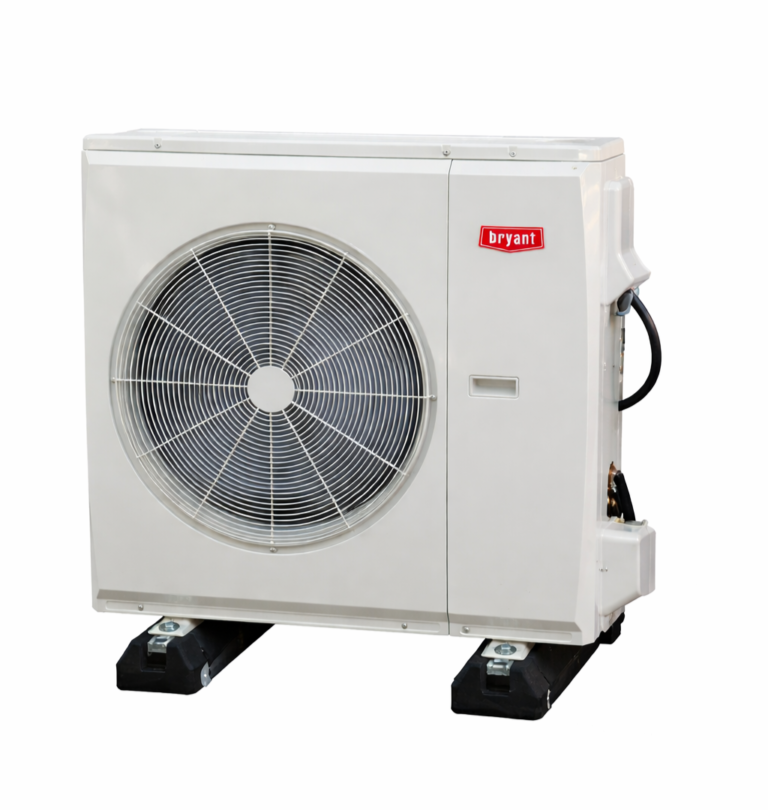
Most homeowners in the Bay Area spend between $9,000 and $20,000 to install a heat pump, depending on the system type, home size, and installation complexity. California rebates and federal tax credits can significantly reduce the final price, making heat pumps one of the most popular heating and cooling upgrades (commonly called HVAC systems) for Bay Area homes.
Introduction
If you're researching heat pump installation, one of the first questions is usually how much it will cost. Many homeowners quickly discover that estimates online can vary widely, which can make it difficult to know what a realistic price range actually looks like.
Heat pumps are becoming increasingly common in the Bay Area because they provide both heating and cooling in one system, while also qualifying for energy incentives that can reduce installation costs.
Understanding the typical price range and what affects it can help homeowners plan their upgrade with more confidence.
This guide explains:
• average installation costs
• the factors that influence pricing
• ducted vs ductless systems
• California rebates and incentives
• federal tax credits
• potential energy savings
• when installing a heat pump makes sense
To start, it helps to understand the typical price range homeowners see when installing a heat pump in the Bay Area.
Average Heat Pump Installation Cost in the Bay Area
The total cost of installing a heat pump varies depending on system size, installation complexity, and the layout of your home.
Many installations across California fall between $8,500 and $15,000, though larger homes or premium systems may cost more.
Typical installed costs by system type:
System Type | Typical Installed Cost |
Single-zone ductless mini split | $4,000 – $8,000 |
Multi-zone ductless system | $8,000 – $15,000 |
Whole-home ducted heat pump | $12,000 – $22,000+ |
Many installations across California fall between $8,500 and $15,000, though larger homes or premium systems may cost more.
Because labor and permitting costs are higher in the Bay Area than in many parts of the country, installation prices here are often slightly above the national average.
Installation costs can also vary depending on the size and layout of the home. The examples below illustrate how project complexity and square footage influence pricing.
Home Type | Typical Installation Cost |
Small condo or apartment | $6,000 – $10,000 |
Average single-family home | $10,000 – $18,000 |
Large home or complex install | $18,000 – $25,000+ |
Homes with existing ductwork in good condition often fall toward the lower end of these ranges, while projects requiring electrical upgrades, duct modifications, or multi-zone systems may increase the final price.
For homeowners ready to move forward, learning more about our heat pump installation services for Bay Area homes can help clarify what a project might look like for your specific property.
What Affects Heat Pump Installation Cost?
If you've looked up heat pump prices online, you've probably noticed that estimates can vary significantly. While many factors can influence the final cost, the five below tend to have the biggest impact on a typical installation project.
- Home size and heating needs
Larger homes require higher-capacity systems, which increases both equipment and installation costs. Homes with multiple floors, large open living spaces, or poor insulation may also require larger systems or additional indoor units to maintain consistent temperatures throughout the house.
- Ductwork condition
If existing ductwork is damaged, undersized, or inefficient, it may need repairs or replacement. In many older Bay Area homes, ducts may leak air, be poorly insulated, or not be designed for modern heat pump airflow requirements, which can increase installation costs.
- Electrical panel capacity
Some homes require electrical upgrades when switching from gas heating to electric heat pumps. Older homes may have limited electrical panel capacity, and upgrading the panel or adding new circuits may be necessary to safely support the new system.
- System efficiency
Higher-efficiency heat pumps typically cost more upfront but can reduce energy bills over time. More efficient systems may also qualify for larger rebates or tax credits, which can offset part of the initial installation cost.
- Installation difficulty
Homes with limited attic space, unusual layouts, or older infrastructure may require additional labor during installation. For example, running refrigerant lines through finished walls or installing outdoor equipment in tight spaces can increase the time and complexity of the project.
Ducted vs Ductless Heat Pump Systems
Heat pumps can be installed in two main configurations: ducted central systems or ductless mini split systems.
The right choice usually depends on whether the home already has ductwork, how the space is laid out, and whether the homeowner wants whole-home heating and cooling or room-by-room temperature control.
Ducted systems are designed to heat and cool the entire home through a central system, while ductless systems allow individual rooms or areas to be controlled separately.
Feature | Ducted Heat Pump | Ductless Mini Split |
Best for | Whole-home heating & cooling | Zoned comfort |
Uses ductwork | Yes | No |
Installation complexity | Moderate | Usually simpler |
Typical cost | Higher | Lower to moderate |
Ducted systems
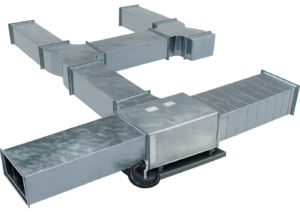
Ducted heat pumps replace traditional furnaces and air conditioners and distribute conditioned air through existing ductwork. They are often ideal for homes that already have central heating and cooling systems and want a similar whole-home setup.
Ductless systems
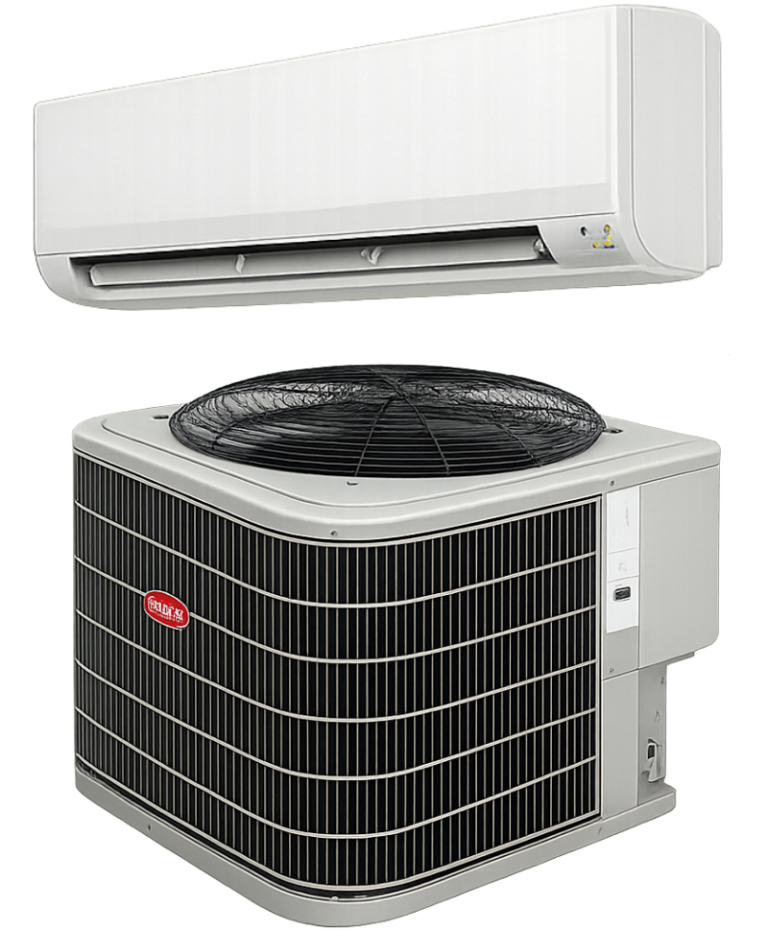
Ductless mini split systems use wall-mounted indoor units connected to an outdoor heat pump. They are often ideal for:
• homes without existing ductwork
• room additions or garage conversions
• zoned heating and cooling where different rooms need different temperatures
For homes without ducts, mini split systems are often the most practical solution.
California Heat Pump Rebates and Incentives
California offers several programs designed to encourage homeowners to upgrade to energy-efficient heat pump systems.
As of 2026, most available incentives for heat pump installations in the Bay Area come from state programs and local energy providers rather than federal tax credits.
Programs such as TECH Clean California offer incentives for installing qualifying heat pumps and for upgrading from gas heating to electric heat pumps, often referred to as electrification upgrades.
In addition to statewide programs, Bay Area homeowners may qualify for rebates through local energy providers such as:
• PG&E
• Silicon Valley Clean Energy
• Silicon Valley Power
• San Jose Clean Energy
• Peninsula Clean Energy
Depending on the program and household eligibility, income-qualified households may receive rebates of up to $8,000 for qualifying heat pump installations.
Incentives may include:
• state electrification rebates
• local utility or community energy rebates
• regional energy efficiency programs
These incentives can significantly reduce the upfront cost of installing a heat pump and are one reason heat pumps have become increasingly popular in Bay Area homes.
Because rebate programs, funding availability, and eligibility requirements can change over time, homeowners should confirm current incentives with their local utility provider or preferred installation contractor.
If you still have questions about available rebates or eligibility for your home, feel free to call us at (669) 348-3448. We’re happy to help Bay Area homeowners understand which incentives may apply and how they can reduce the cost of installing a heat pump.
Beyond rebates and incentives, many homeowners also consider the long-term energy savings that heat pumps can provide.
Expected Energy Savings
Heat pumps are significantly more efficient than traditional heating systems. Instead of generating heat, they transfer heat, which allows them to operate at much higher efficiency levels.
According to the U.S. Department of Energy, heat pumps can deliver two to three times more heat energy than the electrical energy they consume.
Many homeowners notice benefits such as:
• lower energy consumption
• reduced heating and cooling costs
• improved indoor comfort
• reduced carbon emissions
Over time, energy savings can offset a portion of the initial installation cost.
When Heat Pumps Are Worth Installing
A heat pump installation is often a smart investment when:
replacing an aging furnace or air conditioner
• upgrading to an all-electric home
• improving energy efficiency
• installing heating and cooling in homes without ducts
• planning long-term energy savings
For many Bay Area homeowners, the combination of rebates and long-term energy savings makes heat pumps an attractive long-term upgrade.
Get a Heat Pump Installation Estimate
If you're considering installing a heat pump or replacing an older heating and cooling system and you’re still in the early planning stage, our Online Estimator can provide a preliminary estimate based on a few details about your home and the type of system you’re considering.
For a more accurate assessment, the next step is a professional home evaluation. An experienced heating and cooling contractor can determine:
• the right system size for your home
• installation requirements or upgrades that may be needed
• available rebates and incentives that may reduce your cost
• potential energy savings based on your home and system choice
A personalized estimate helps ensure you choose the most efficient and cost-effective solution for your home comfort needs.
Still deciding between systems?
If you're comparing heating options, understanding how heat pumps differ from traditional systems can also help guide your decision.
See how heat pumps compare to traditional heating systems in our guide: